How aquaponics works
Fish, plants and beneficial bacteria working together in a recirculating growing system.
One system. Three living partners.
Aquaponics combines recirculating aquaculture with soilless plant growing. Fish are fed and produce waste. Beneficial bacteria convert ammonia into forms of nitrogen that plants can use, and the plants take up nutrients from the circulating water.
The water then returns through the system to the fish. A successful system depends on balancing fish, plants, bacteria, filtration, oxygen, temperature, pH and water quality.

Follow the water around the system.
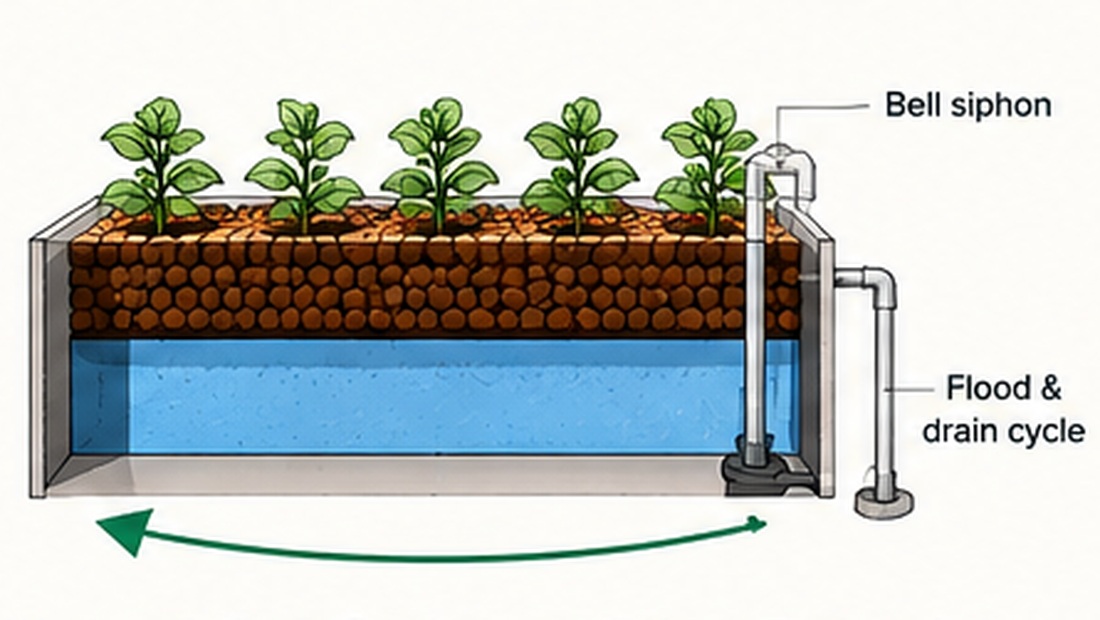
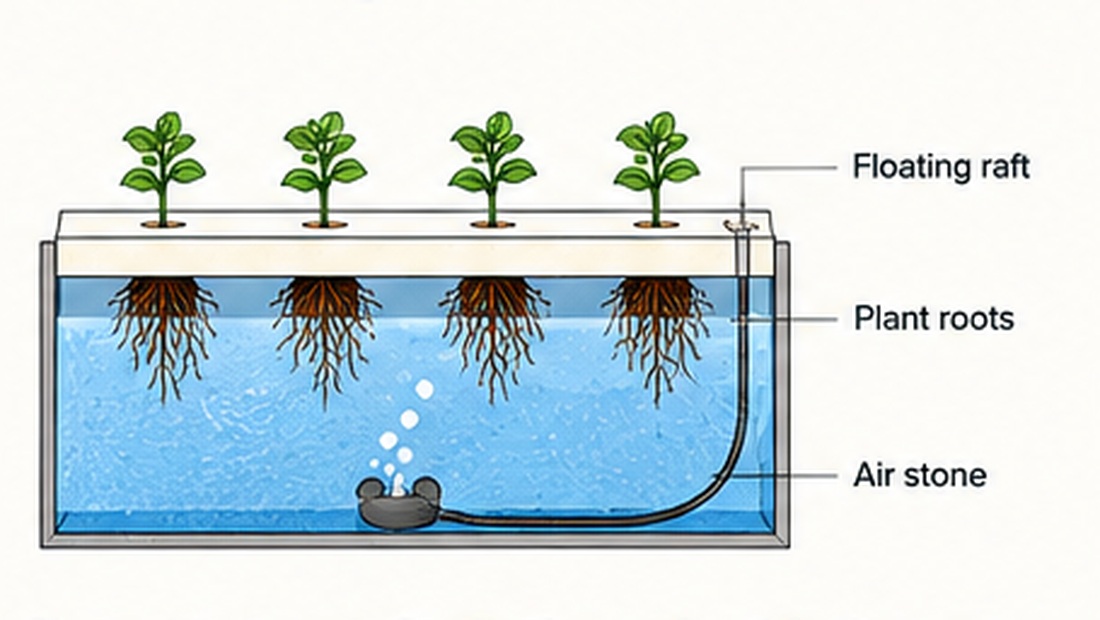
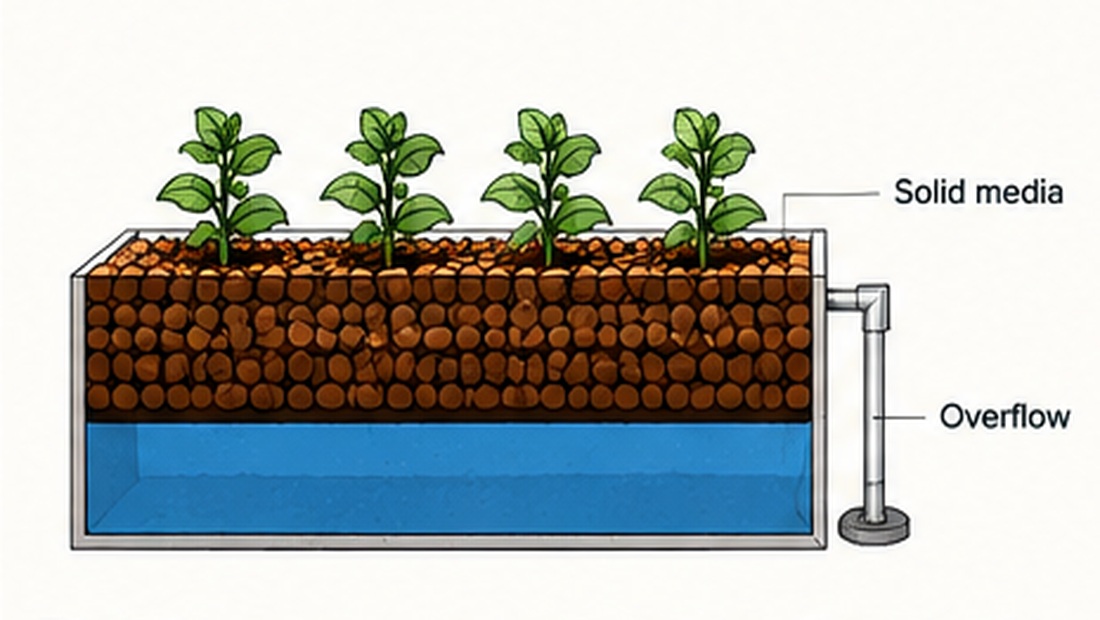
This illustration shows the basic principle. Actual systems can use media beds, deep-water culture/rafts, nutrient-film techniques or combinations of these approaches.
A note on real systems: aquaponics is efficient, but it is not automatic. Pumps, aeration, water quality, fish health, plant health and system balance all need regular monitoring. Protected environments can also extend production into colder periods.
More than one way to build an aquaponics system.

Growing media supports plants and provides surface area for beneficial bacteria.

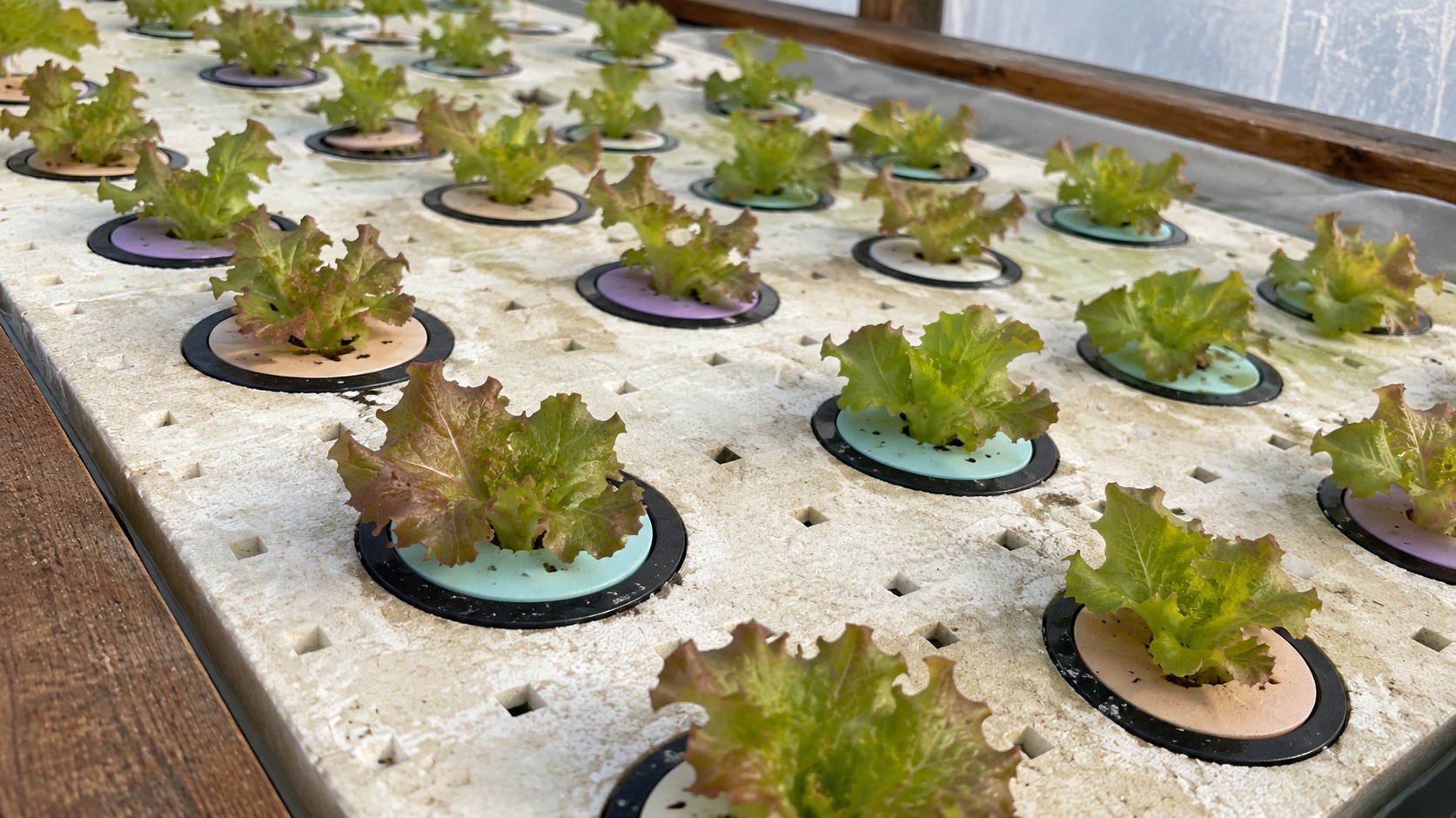
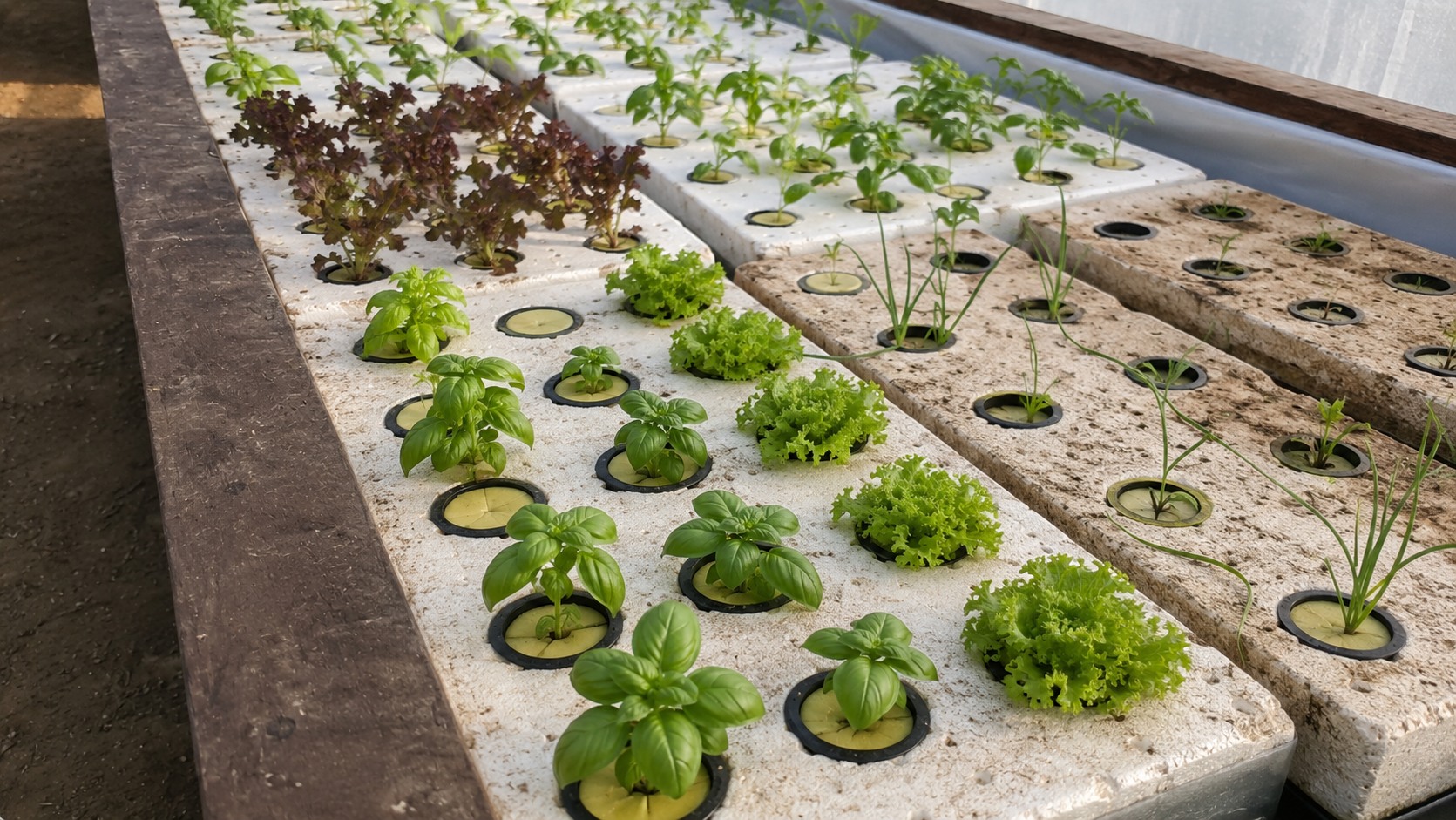
Plants are supported in rafts with their roots extending into nutrient-rich water.

Grow beds, plumbing, tanks and water movement have to work together as one system.

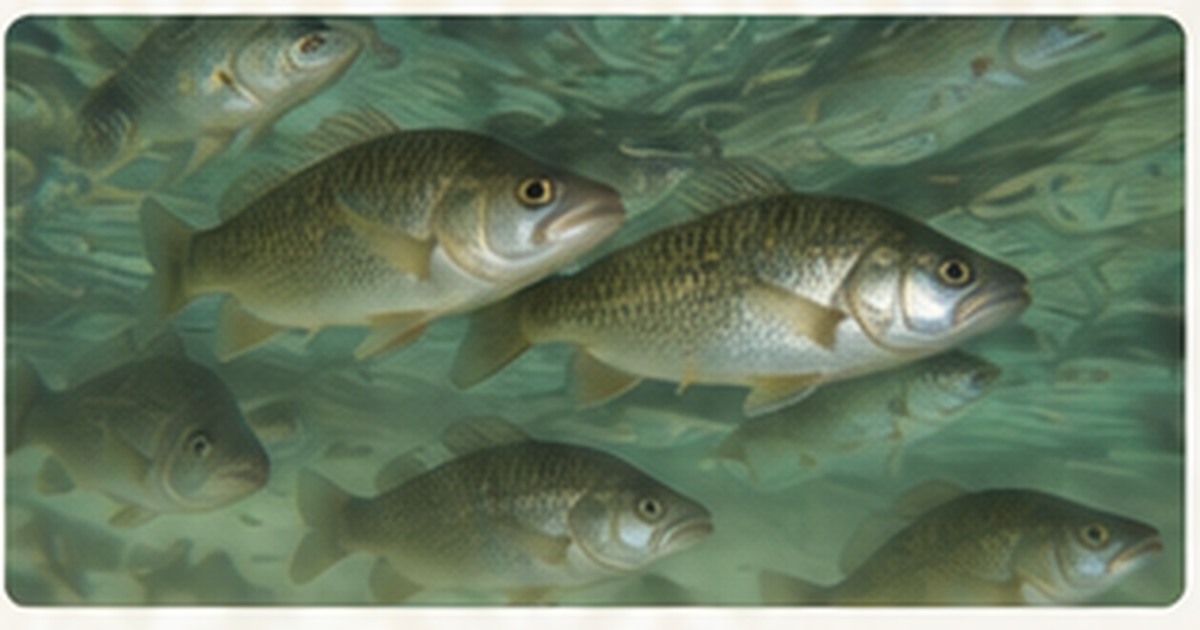
Fish health, oxygen and water quality remain central to the whole cycle.
Efficient use of water and nutrients.
Because water is recirculated rather than continually discarded, aquaponics can be water-efficient. Nutrients originating from fish feed are recovered by the plant crop, while the same infrastructure supports both fish and plant production.
It also comes with trade-offs. Aquaponics requires equipment, energy, regular maintenance and knowledge of both plant and fish production. For KVA, that practical side has always been important: understanding what works in a real system, not presenting aquaponics as a set-and-forget technology.
SEE OUR SYSTEMS